


A desperate, delirious fight for life: Allan Pettersson’s Symphony No. 10 with Christian Lindberg and the Norrköping Symphony
Christian Lindberg concludes his « Allan Pettersson Project » with the Norrköping Symphony Orchestra in the composer's blistering Symphony No. 10.
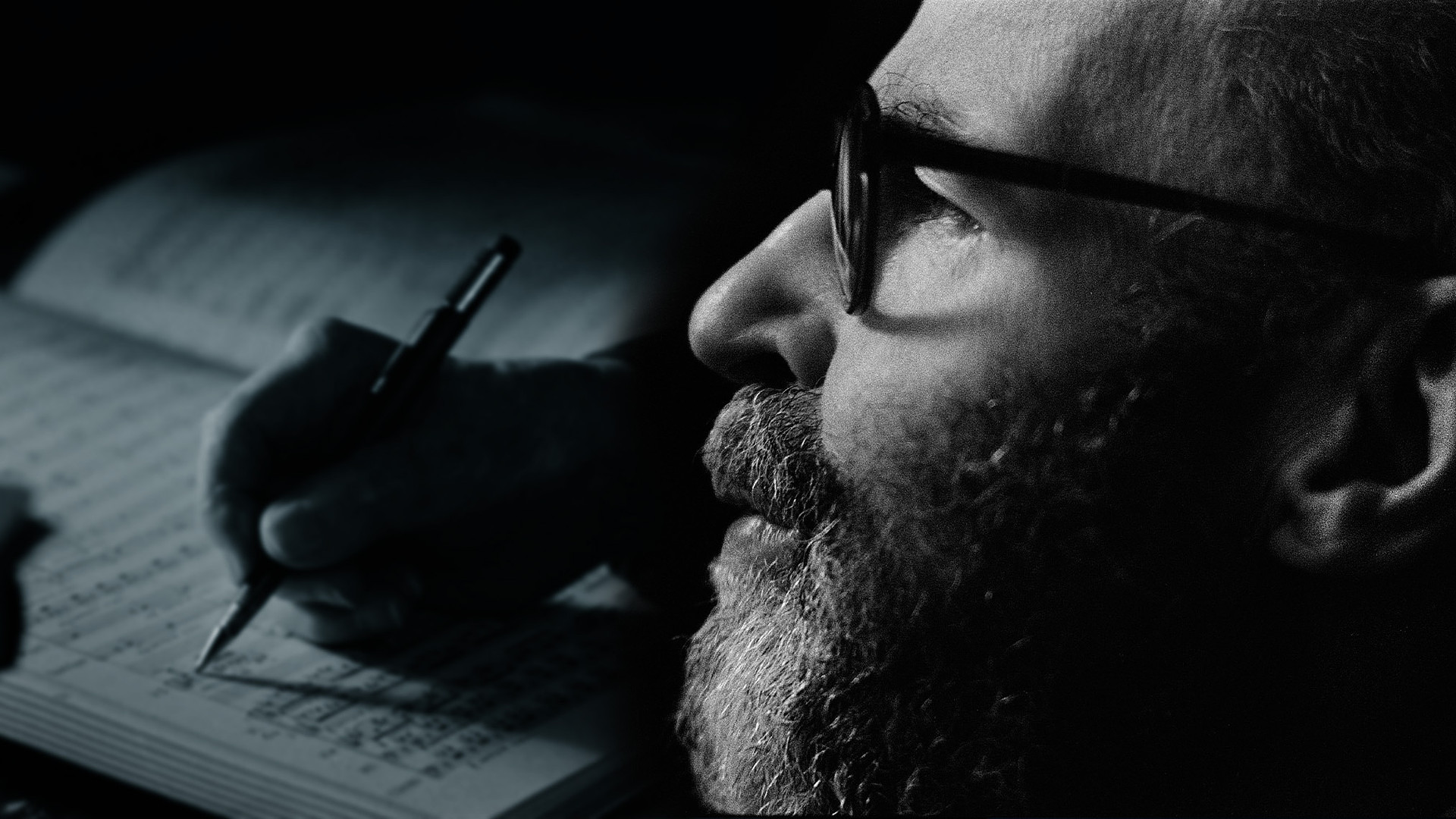 Among the long-term, large-scale « labor of love » projects in the world of classical music, the Allan Pettersson project with Christian Lindberg and the Norrköping Symphony Orchestra (SON) certainly must stand out. Since 2010, Lindberg and the SON have been systematically performing and recording the entire large-orchestra output of this unique Swedish composer, whose emotionally and physically uncompromising works place extreme demands on both performers and audiences. While this music is certainly not to everyone's tastes, the Lindberg/SON partnership has consistently yielded revelatory results.
It is tempting to view Pettersson's music as an aural representation of the difficult circumstances of his life instead of simply the work of a master composer exercising his craft. While this may be the case, in my opinion it is near impossible to divorce the nature of the Symphony No. 10 from the particular extramusical circumstances around its genesis. Pettersson composed the Symphony No. 10 during a 9-month hospital stay for a serious kidney ailment; at this time he had already been suffering from (and by now mostly incapacitated by) rheumatoid arthritis for two decades, which was, at the time, a disease with very limited treatment options. Although struggle and resistance are arguably the key recurring themes in this composer's entire oeuvre, these themes take on a particular relevance given that the composer was literally fighting for his life when this symphony was composed.
The first few minutes of this performance seemed to suggest that Lindberg was after technical precision first and emotional effect second. However, it did not take long before it became clearly apparent that Lindberg and the orchestra were digging in and truly relishing this music's frantic and often delirious nature. At the same time, the sometimes sudden transitions to the lyrical sections felt both seamless and inevitable, which was a real testament to the deep familiarity these forces have developed after years of living with this music.
Of course, technical precision was one of the highlights of this performance; in this piece Pettersson employs rather complex syncopated rhythms, in dialogue between and within sections, which were executed with impressive accuracy. Special mention goes to the SON percussion, who, as expected with Pettersson's music, were playing almost non-stop and at full intensity throughout the piece.
The opening piece of this program was Bacewicz's Overture, which served as a similarly vigorous but clearly more optimistic foil to the Pettersson. The busy string writing that opened and closed the work was rendered with taut precision, while the relaxed central section showcased the suave collective sound of the SON woodwinds.
Coming after the Pettersson, Stravinsky's Petrushka was a welcome opportunity for the SON to show off their collective and individual virtuosity in a less “stressful” context, namely in a repertoire staple that was certainly familiar to the orchestra. The SON really has some fantastic first-desk wind players, who were given ample opportunities to shine (as opposed to being partially buried in Pettersson's dense textures). Equally impressive was Lindberg's command of the score and his ability to bring all the varied scenes together into a satisfying and cohesive whole.